
BACK PAIN
Our evidence-based physical therapy treatments provide targeted solutions for:
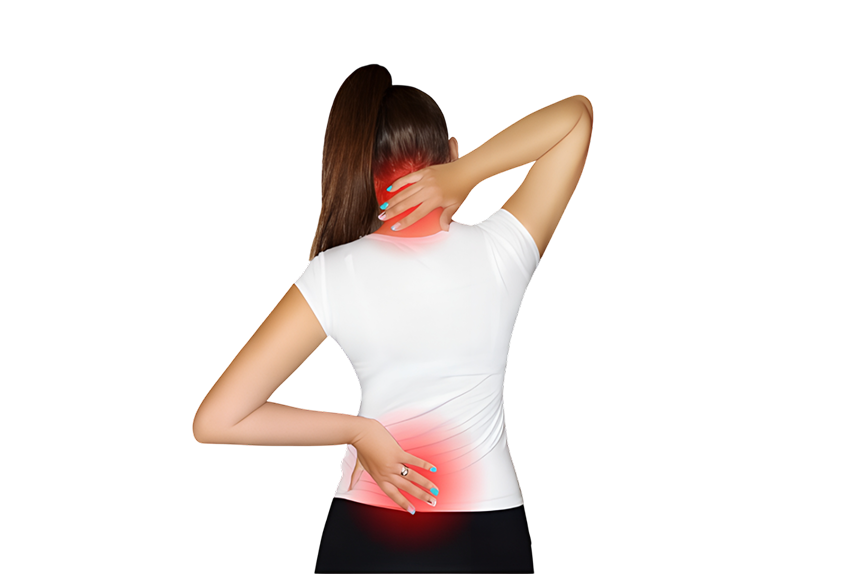
- Chronic or acute lower back pain
- Mid-back tension and dysfunction
- Upper back and cervical strain
We deliver lasting relief through personalized rehabilitation programs focused on restoring proper alignment, mobility, and strength.

Get Appointment
we encourage you to take care of your spine to avoid future back problems; prevention is key to wellbeing for everyone, at any age.
Leave a
message:
+1 714-580-6185
Visit Our Studio
Schedule an evaluation today! Learn about the benefits of personalized
therapy tailored to your needs.
Visit Our Office
Av. Juan Palomar y Anas 123 Local 5,Jardines Vallarta, 45027 Zapopan, Jalisco,Mexico.
Opening Hours
MONDAY
10AM-4PM
TUES /WEDS/THUR
10AM-5PM
FRIDAY
10AM-3PM
SAT-SUN
BY APPOINTMENT
Back Pain Relief | Alivio Del Dolor
Understanding Back Pain: A Professional Perspective
Back pain affects nearly 80% of adults at some point in their lives, with chronic low back pain being a leading cause of reduced workplace productivity. This prevalent condition can significantly impact quality of life, limiting everything from recreational activities to basic daily functions.
Common symptoms patients report include:
- Persistent muscle discomfort
- Radiating or sharp pain
- Movement-aggravated symptoms (particularly with walking, lifting, or prolonged sitting/standing)
- Morning or evening symptom exacerbation
- Acute or chronic presentation patterns
- Frequently associated leg pain
The emotional toll is equally important to acknowledge. Many patients experience frustration or discouragement when pain interferes with:
- Exercise routines
- Family interactions
- Household responsibilities
This guide will explore:
- Primary causes of back dysfunction
- Evidence-based treatment options
- Professional rehabilitation strategies
- Long-term prevention approaches
Our clinic specializes in developing personalized treatment plans to not just manage, but potentially eliminate persistent back pain through targeted physical therapy interventions.

Anatomical Foundations of Back Pain
The human spine consists of 33 vertebrae extending from the cervical to coccygeal regions. These bony structures are separated by intervertebral discs – fibrocartilaginous cushions that provide shock absorption and facilitate spinal mobility. The vertebral column is further supported by an intricate network of:
- Paraspinal muscles
- Tendinous attachments
- Ligamentous stabilizers
This complex musculoskeletal system serves the vital function of protecting the central nervous system, comprising:
- The brain
- Spinal cord
- Peripheral nerve network
The nervous system’s paramount importance cannot be overstated – it regulates all somatic and autonomic functions, from voluntary movement to cardiopulmonary activity. Any compromise to spinal integrity, whether through:
- Degenerative changes
- Traumatic injury
- Mechanical dysfunction
May result in neurological impairment and subsequent pain manifestation.
Mechanical Etiologies of Back Pain
The spinal column’s complex biomechanical structure – comprising multiple vertebral segments, muscular attachments, tendinous insertions, and ligamentous supports – renders it susceptible to dysfunction when subjected to abnormal stressors or maladaptive positioning. Common mechanical pathologies arise from:
- Postural Stressors Occupational demands (prolonged sitting or manual labor) Athletic overuse syndromes Ergonomically unsupported workstations
- Sleep-Related Factors Non-physiological spinal alignment during rest Inadequate mattress support
- Repetitive Strain Injuries Heavy load-bearing without proper mechanics Cumulative microtrauma from occupational/recreational activities
- Degenerative Processes Osteoarthritic changes in facet joints Disc space narrowing
These mechanical insults may progress to more significant pathology including:
- Radiculopathy from neural compression
- Discogenic pathology (protrusions/extrusions)
- Myofascial pain syndromes
Early intervention through proper biomechanical assessment can prevent progression to chronic pain states.

Neurological Etiologies of Back Pain
The spinal column houses and protects critical neural structures, with numerous nerve roots exiting between vertebral segments. When spinal anatomy becomes compromised through misalignment or structural changes, neural compression may occur, leading to significant pain syndromes.
Primary neurological mechanisms of back pain include:
- Radicular Compression Syndromes Nerve root impingement secondary to: Degenerative changes (spondylosis) Acute trauma or repetitive microtrauma Intervertebral disc pathology: Protrusions Extrusions (herniations) Annular tears
- Structural Abnormalities Scoliotic deformity causing neural tension Spondylolisthesis with foraminal narrowing
A classic clinical manifestation is sciatica, occurring when lumbosacral nerve roots (particularly L4-S1) become compressed, resulting in:
- Radiating pain along dermatomal patterns
- Distal symptoms extending to lower extremities
- Potential sensory or motor deficits
Early accurate diagnosis is crucial, as prolonged neural compression may lead to:
- Chronic neuropathic pain
- Functional impairment
- Reduced quality of life
Take the First Step Toward Sustainable Back Pain Relief and Improved Mobility
Back Pain Treatments
Evidence-Based Management of Back Pain As outlined previously, back pain can stem from various etiologies. For individuals experiencing severe or chronic symptoms—or any back-related condition causing concern—we recommend consulting with a qualified healthcare provider. This may include:
- Your primary care physician
- A licensed physical therapist
- A board-certified chiropractic physician (such as those at our Guadalajara office)
These professionals can conduct a comprehensive evaluation and develop a personalized treatment plan tailored to your specific condition, whether it involves upper, middle, or lower back pain. Early intervention by a specialist can optimize recovery and improve long-term outcomes.
How Can a Physical Therapy Help?
“Evidence-Based Physical Therapy Modalities for Back Pain Relief”
Our clinic employs scientifically validated treatment approaches with minimal side effects to address back pain across all spinal regions. These therapeutic interventions include:
Manual Therapy Techniques
- Joint mobilization
- Soft tissue manipulation
- Myofascial release
Therapeutic Exercise Protocols
- Core stabilization exercises
- Postural correction training
- Flexibility and strengthening programs
Modality-Based Interventions
- Ultrasound therapy
- Electrical stimulation
- Heat/cryotherapy applications
Each treatment plan is:
- Customized to individual patient needs
- Grounded in current clinical research
- Focused on achieving sustainable pain relief
You can give us a call at , 714-580-6185and we’ll be happy to help you figure out why you are experiencing back pain and if chiropractic is the correct course of treatment. We are dedicated to our clients and strive to be the best chiropractor in Miami for all your Wellness needs.
Here are some science-backed and natural (with practically no side-effects) chiropractic therapies that are regularly used to provide clients with lower, middle, or upper back pain relief.

Physical Therapy adjustment
Adjustments are gentle movements performed on the joints in your spine that improve mobility and may reduce your back pain. They are usually painless and often instantly relieving.

Manual Therapies
Manual therapies are hands-on-soft tissue techniques that help decrease pain and inflammation and help restore range of motion to injured areas.

Other Solutions
Comprehensive back pain treatment at our clinic extends beyond traditional methods, incorporating evidence-based approaches such as therapeutic physiotherapy, Rocktape kinesiology applications, and medical acupuncture to address the root causes of discomfort and promote lasting relief.
GOT A QUESTION
Frequently Asked Questions
We specialize in evidence-based rehabilitation for patients with injury, illness, or neuromuscular-skeletal disorders, delivering personalized care to restore function, reduce pain, and maximize recovery with exceptional outcomes

01. Do Physical Therapist Really Help?
We eliminate pain and restore mobility through targeted exercises
and manual therapy, creating personalized plans for safe movement
and a natural return to your active life.
02. Common Considerations and Effects of Physical Therapy Treatment??
Physical therapy effectively reduces pain by targeting its source
without relying on heavy medication, while also restoring mobility
and strength for both daily life and athletic activities. This process
leads to a faster recovery, healing current injuries and helping to
prevent future problems. Your active participation is crucial for
success, as the best results are achieved through consistent effort
and recognizing that healing is a progressive journey.
03. Do You Take Insurance?
Unfortunately, we do not accept any insurance at this time.
04. Are physical therapists really doctors?
We are not medical doctors (MDs) and do not prescribe medication
or perform surgery. Our expertise is in diagnosing and treating
movement dysfunction to help you recover, reduce pain, and return
to your active life without the need for invasive procedures.
05. What Can a Physical Therapist Diagnose?
Our physical therapists are movement experts who diagnose and
treat impairments related to movement, function, and pain. This
includes diagnosing the root cause of musculoskeletal conditions,
such as joint dysfunctions, muscle weaknesses, neuromuscular
conditions, and movement imbalances that limit your ability to
perform daily activities or participate in sports. Our diagnostic
process focuses on identifying these functional limitations to create
a personalized treatment plan that aims to restore your mobility and
roduco nain