

SCIATICA AND NERVE PAIN
Gentle spinal adjustments to reduce nerve compression and radiating pain.


Get Appointment
we encourage you to take care of your spine to avoid future back problems; prevention is key to wellbeing for everyone, at any age.
Leave a
message:
+1 714-580-6185
Visit Our Studio
Schedule an evaluation today! Learn about the benefits of personalized
therapy tailored to your needs.
Visit Our Office
Av. Juan Palomar y Anas 123 Local 5,Jardines Vallarta, 45027 Zapopan, Jalisco,Mexico.
Opening Hours
MONDAY
10AM-4PM
TUES /WEDS/THUR
10AM-5PM
FRIDAY
10AM-3PM
SAT-SUN
BY APPOINTMENT
Back Pain Relief | Alivio Del Dolor
Sciatica: The Painful Condition 4 in 10 Will Face
That shooting pain down your leg?
You're not alone. Research shows 40% of adults will battle sciatica - yet most don't recognize it until the pain becomes unbearable.
Why So Many Get It Wrong:
Sciatica’s notorious for being mistaken for ordinary back pain. But these telltale signs don’t lie:
✓ Electric shock-like pain radiating from lower back to toes
✓ Pins-and-needles numbness in legs/feet
✓ Burning sensations that worsen when sitting
✓ Flare-ups after injuries or even prolonged sitting
The Relief You’ve Been Searching For
While sciatica can be debilitating, our physical therapy specialists in [Location] use evidence-based techniques to:
• Decompress irritated nerves
• Restore proper spinal alignment
• Strengthen supportive muscles
• Prevent future flare-ups
Patients presenting with these symptoms should continue reading to understand sciatica etiology and evidence-based treatment options.
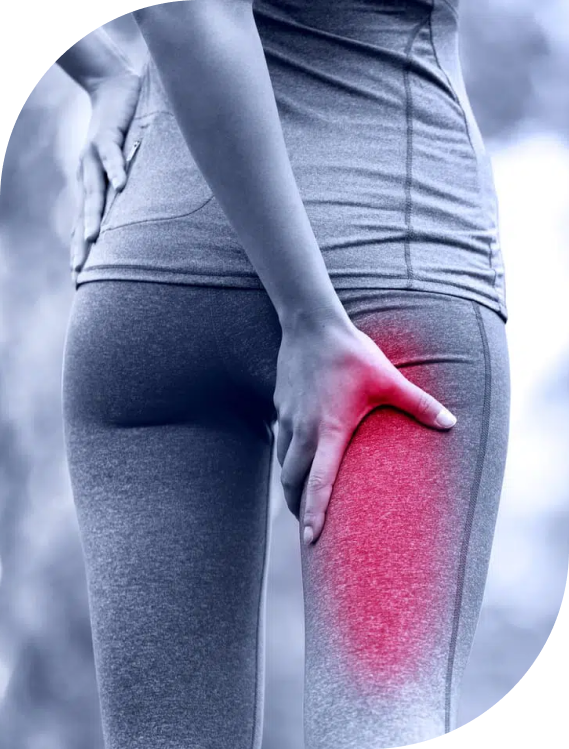
Common Causes of Sciatica
Sciatica typically occurs due to:
- Herniated discs – When a spinal disc slips out of place, pressing on the nerve.
- Spinal misalignments – Vertebrae shifting out of position, pinching the nerve.
What Leads to These Issues?
Trauma – Car accidents, sports injuries, or falls
Repetitive strain – Heavy lifting with poor posture (common in labor jobs or gym-goers)
Prolonged Sitting – Desk jobs or sedentary lifestyles increase pressure on the nerve
Aging – Natural disc degeneration weakens spinal support
Excess Weight – Adds stress to the spine and nerves
Chronic Conditions – Osteoarthritis, spinal stenosis, or degenerative disc disease
Sciatica vs. Other Nerve Compression
Sciatica is just one type of nerve compression—similar issues (like carpal tunnel syndrome) can affect other nerves, causing localized pain. Some patients also experience sciatica alongside conditions like fibromyalgia, intensifying discomfort.
This happens for many reasons, but typically Sciatica is caused by:
- A herniated disc. This is when one of the spinal discs is displaced from its normal area, putting pressure on the Sciatic nerve.
- A vertebral misalignment. This is when one of the spinal vertebrae moves out of its correct position, pressing on the nerve.
A slipped vertebrae or herniated disc can be caused by:
- A traumatic event, such as a sports injury or auto-accident
- Lifting heavy objects repetitively with bad posture. This is common with manual labor workers, or individuals who exercise regularly at the gym.
- Microtraumas such as sitting at a computer daily for many hours for months or years. The sitting position applies the most pressure to the Sciatic nerve.
- Aging. As the spine ages, the discs naturally become weaker, applying more pressure on the exiting nerves.
- Being overweight. Additional weight adds more stress and strain to our spine, joints and nerves.
- Chronic conditions like Osteoarthritis, Degenerative Disc Disease and Spinal Stenosis.
It’s important to realize that Sciatica is only one specific example of nerve pinching in general. Nerve pinching can happen to many other nerves, such as the median nerve – which results in the well-known carpal tunnel syndrome.
In any case of nerve pinching, you may feel symptoms similar to Sciatica but localized in the area of the affected nerve.
Additionally, some patients can experience Sciatic nerve pain with other conditions simultaneously, such as Fibromyalgia, making pain much more severe
ake the First Step Toward Sustainable Back Pain Relief and Improved Mobility
Effective Treatment Options for Sciatica & Pinched Nerves
As we’ve discussed, sciatica and nerve compression can stem from various causes. If you’re experiencing symptoms like radiating pain, numbness, or tingling, seeking professional care is crucial for proper diagnosis and relief. Why Professional Evaluation Matters: A healthcare provider can:
- Perform a thorough assessment of your condition
- Identify the root cause of your nerve pain
- Recommend personalized treatment options
Don’t let nerve pain limit your life – consult a specialist to explore your best path to recovery.
How Our Pain Relief Center Can Help with Sciatica & Pinched Nerves
What to Expect from Physical Therapy:
✓ Drug-free approach – No medications, injections, or surgery
✓ Professional diagnosis – We’ll help determine if your symptoms stem from sciatica or another nerve issue
✓ Personalized care – If needed, we may recommend imaging (like an MRI) for accurate assessment
Take the First Step Toward Relief Call us at 714-580-6185 to:
- Confirm whether your pain is caused by sciatica or pinched nerves
- Discover if physical therapy is your best treatment option
- Start your journey to lasting pain relief
Note: Severe cases may require referral to a specialist, which we can facilitate.
Effective, Natural Pain Relief Through Physical Therapy
Our Pain Relief Center offers scientifically supported physical therapy treatments designed to alleviate pain without harsh side effects. We specialize in treating sciatica and pinched nerves, while also effectively addressing lower back pain, leg discomfort, neck stiffness, and chronic headaches. Our approach focuses on gentle, evidence-based techniques that target the root causes of your pain for lasting relief.

Physical Therapy adjustment
Gentle spinal adjustments involve carefully applied movements to your vertebral joints, designed to restore proper mobility and alleviate pressure on irritated nerves. These precise techniques frequently provide immediate relief from sciatic and nerve-related discomfort, typically without causing any pain during treatment.

Auto-Accident Recovery Treatment
Many physical therapy clinics specialize in auto-accident recovery, offering tailored treatment for accident-related injuries such as sciatica and pinched nerves. These programs often combine spinal adjustments with targeted physiotherapy techniques to promote healing and pain relief.

Other Solutions
At our Back Pain Relief Center, we offer multiple therapeutic approaches to address sciatica and nerve compression, including acupuncture, kinesiology taping, Graston technique, and myofascial release therapy. These complementary treatments can effectively alleviate your discomfort—whether you’re suffering from back, neck, muscle, or leg pain—providing targeted relief tailored to your specific condition.
GOT A QUESTION
Frequently Asked Questions
We specialize in evidence-based rehabilitation for patients with injury, illness, or neuromuscular-skeletal disorders, delivering personalized care to restore function, reduce pain, and maximize recovery with exceptional outcomes

01. Do Physical Therapist Really Help?
We eliminate pain and restore mobility through targeted exercises
and manual therapy, creating personalized plans for safe movement
and a natural return to your active life.
02. Common Considerations and Effects of Physical Therapy Treatment??
Physical therapy effectively reduces pain by targeting its source
without relying on heavy medication, while also restoring mobility
and strength for both daily life and athletic activities. This process
leads to a faster recovery, healing current injuries and helping to
prevent future problems. Your active participation is crucial for
success, as the best results are achieved through consistent effort
and recognizing that healing is a progressive journey.
03. Do You Take Insurance?
Unfortunately, we do not accept any insurance at this time.
04. Are physical therapists really doctors?
We are not medical doctors (MDs) and do not prescribe medication
or perform surgery. Our expertise is in diagnosing and treating
movement dysfunction to help you recover, reduce pain, and return
to your active life without the need for invasive procedures.
05. What Can a Physical Therapist Diagnose?
Our physical therapists are movement experts who diagnose and
treat impairments related to movement, function, and pain. This
includes diagnosing the root cause of musculoskeletal conditions,
such as joint dysfunctions, muscle weaknesses, neuromuscular
conditions, and movement imbalances that limit your ability to
perform daily activities or participate in sports. Our diagnostic
process focuses on identifying these functional limitations to create
a personalized treatment plan that aims to restore your mobility and
roduco nain